
Build your own Veetr
Use the open hardware files, parts list and build guide to put together your own device.
Explore the build guideStart today
Get your Veetr Vane · The roadmap
Built in the open. Tested on the water.
Built in the open
20 milestones. No promised dates. Some work happens in parallel.
The first wired breadboard brought the sensors and electronics together: a starting point we could build, measure and learn from.
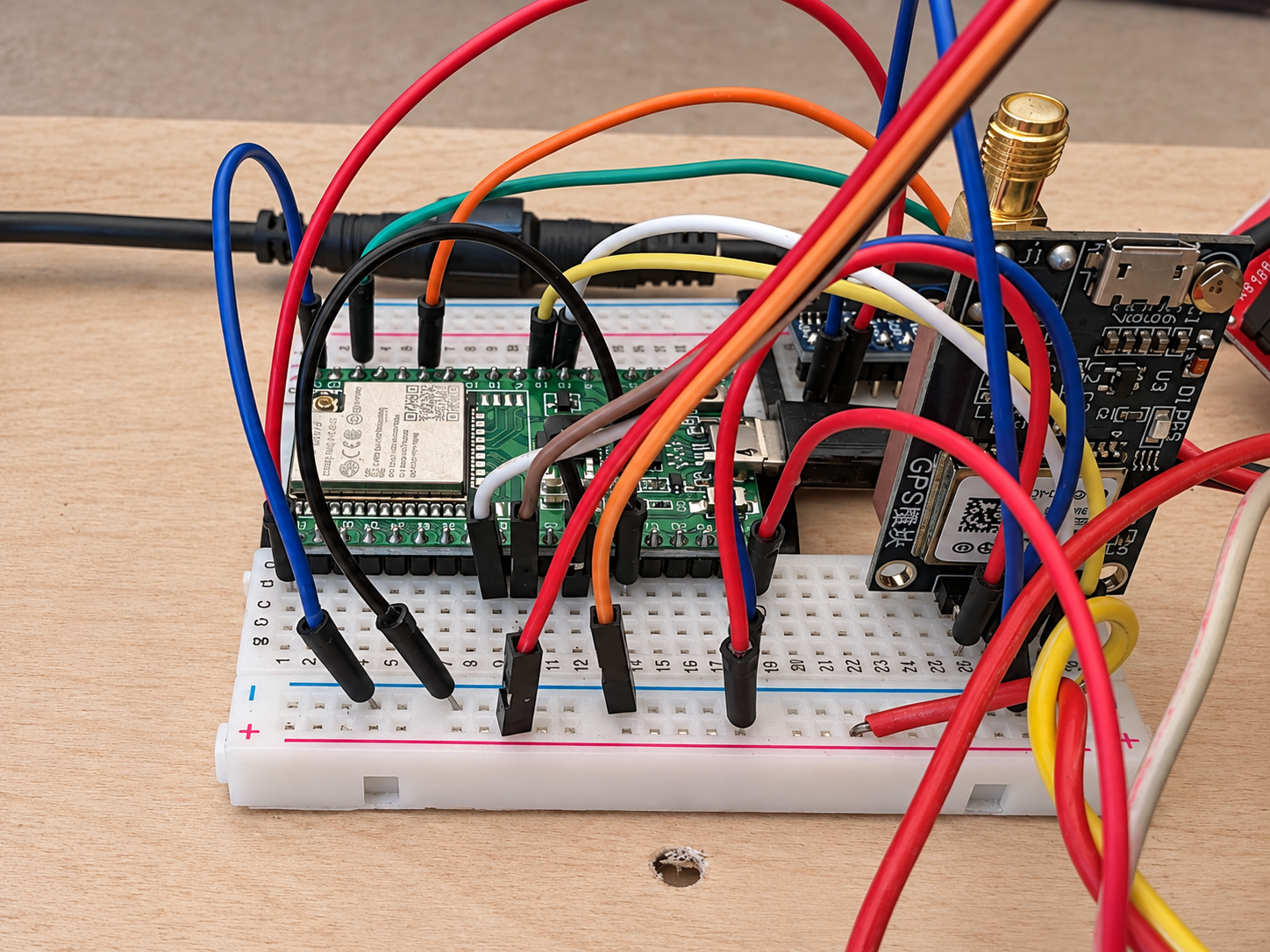
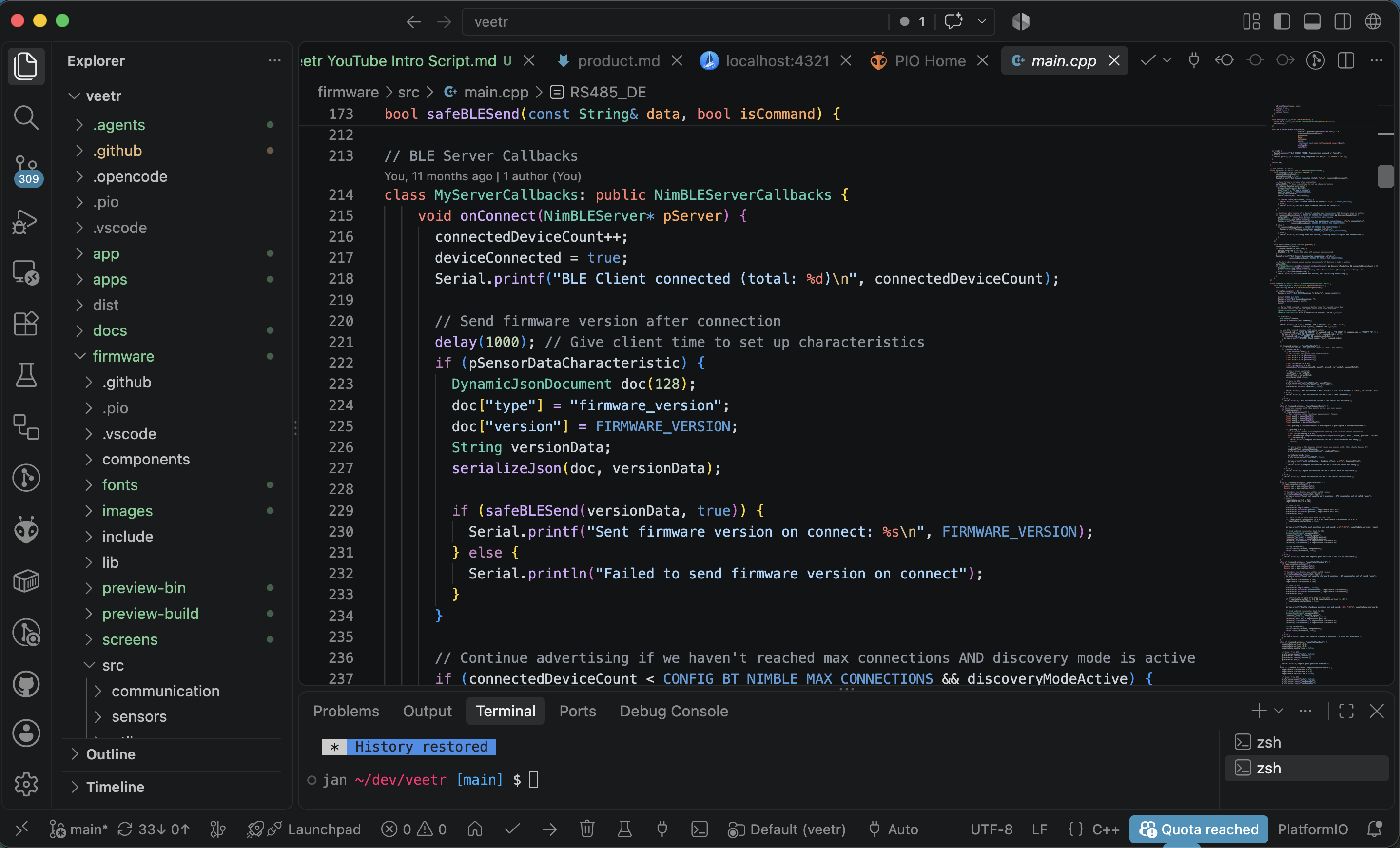
Read the sensors, process the measurements and send sailing data from the device.
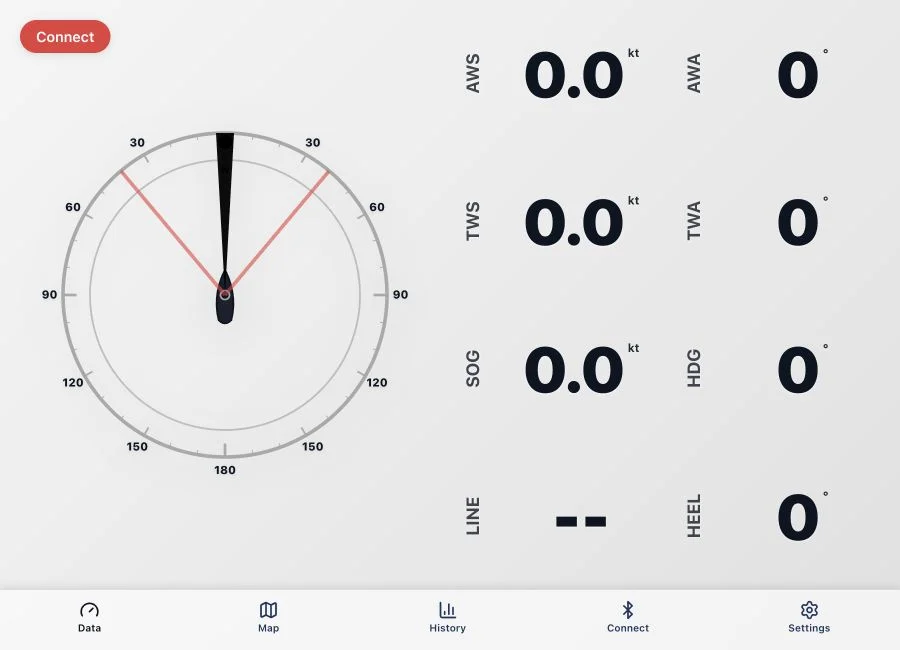
Build a Progressive Web App to show the device’s data on a phone or tablet, directly in the browser.
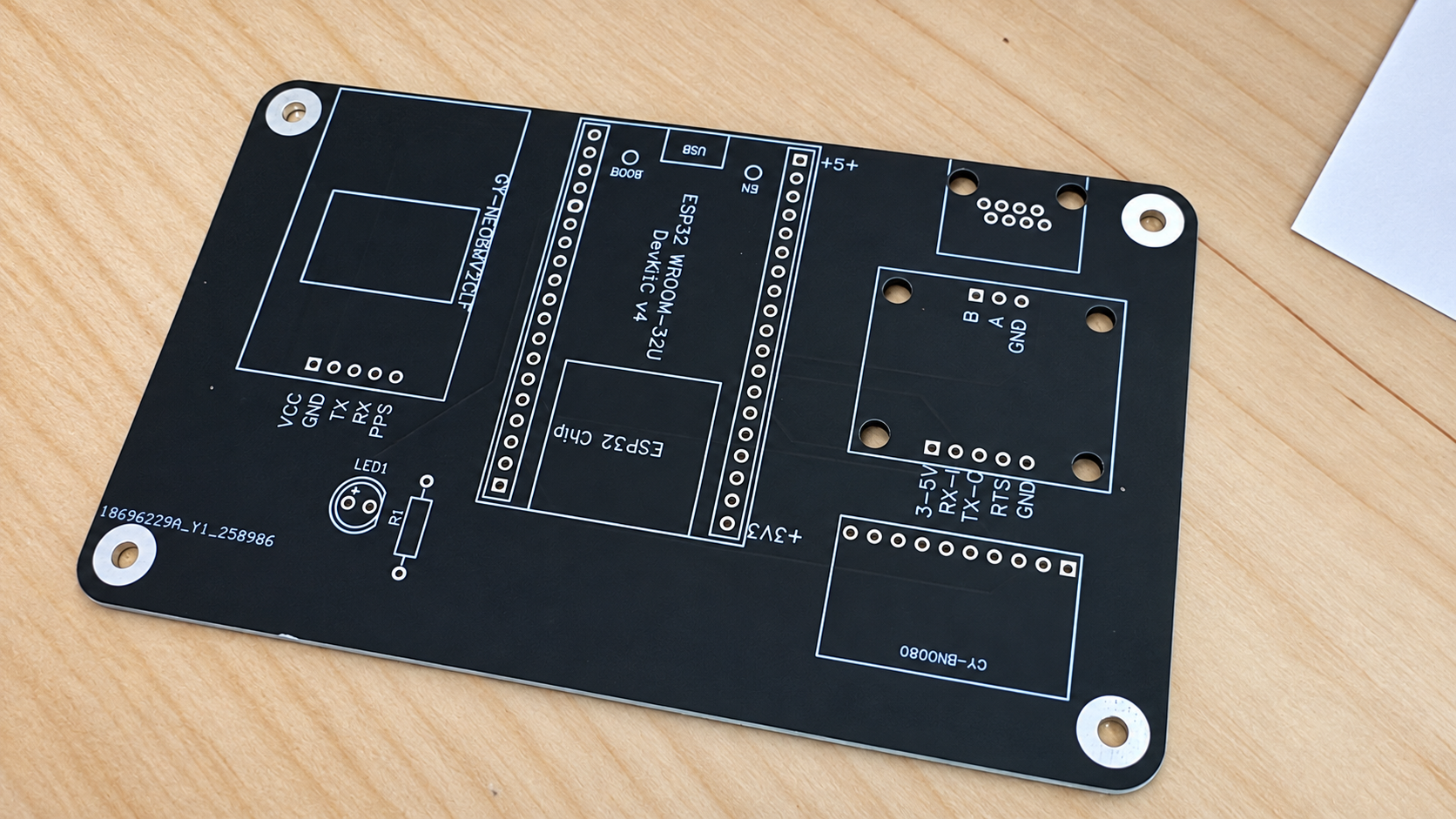
Replace loose prototype wiring with a custom circuit board, reducing disconnected wires when handling the device.
Download a firmware release from GitHub to the phone, then send it to Veetr over Bluetooth Low Energy (BLE). Update the device without plugging it into a computer.
Give the electronics a practical enclosure for mounting, handling and prototype testing.
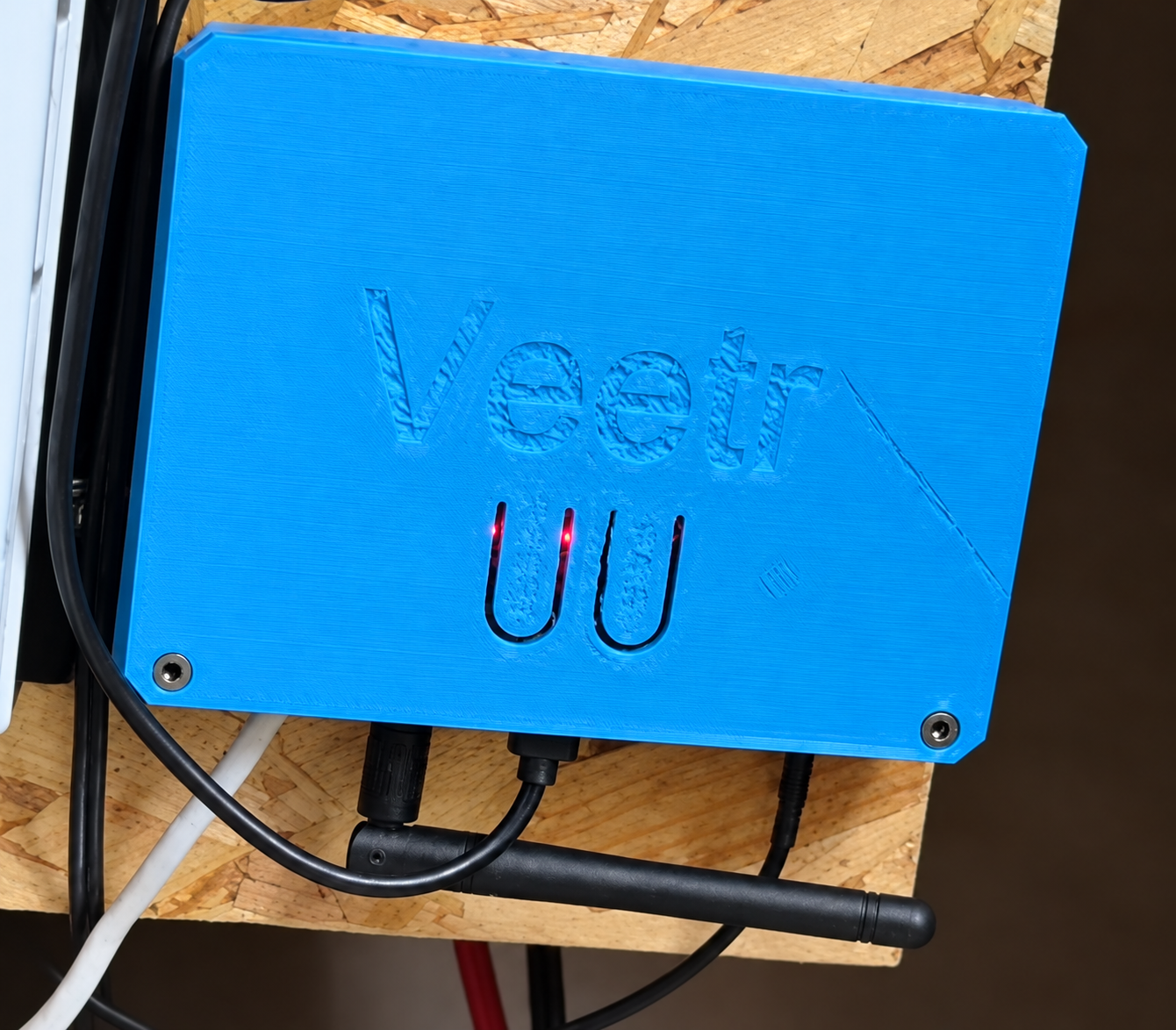
Testing confirmed the idea could work and showed where the first prototype fell short.
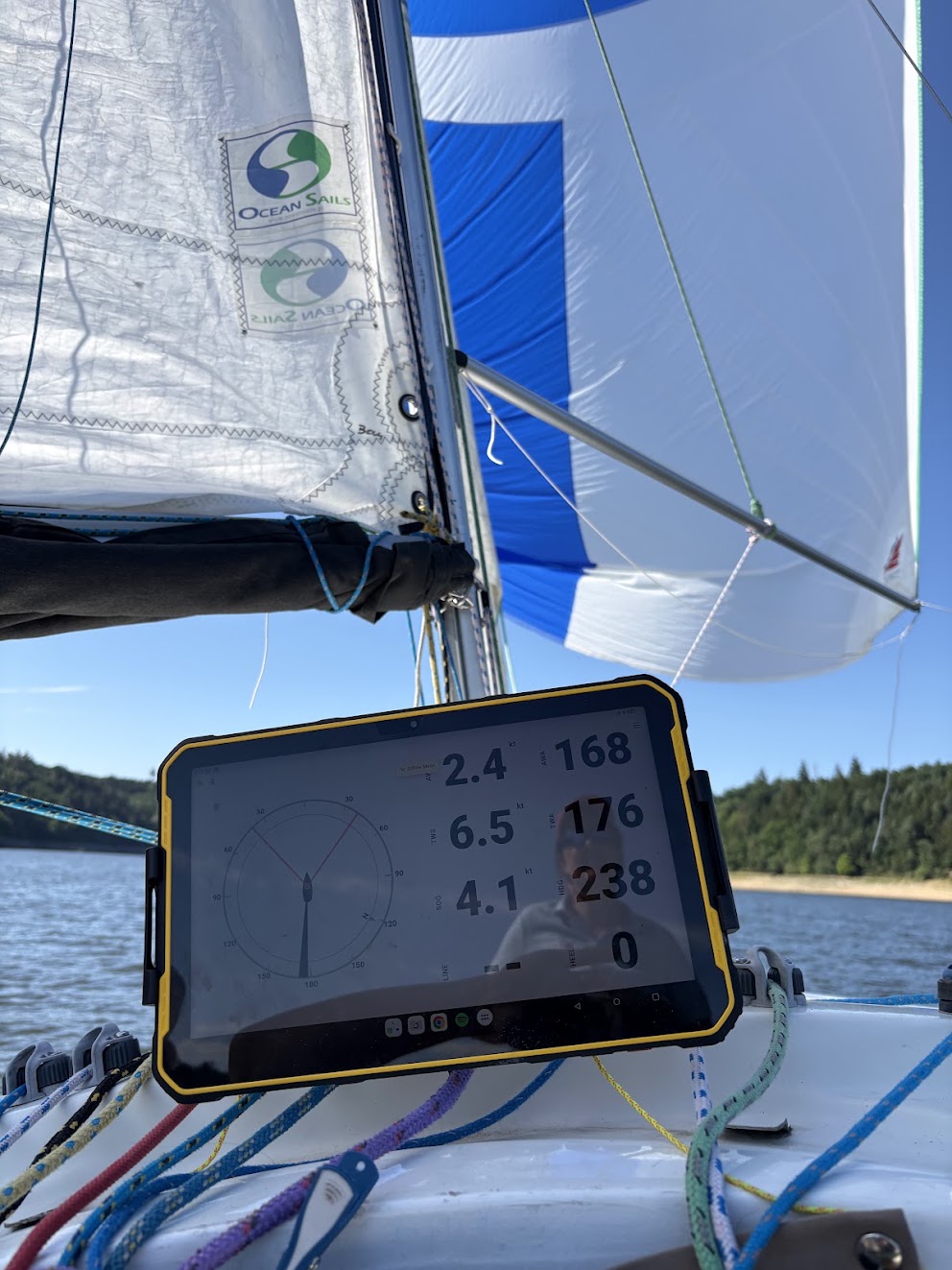
What we learned: displays were hard to read, the PWA stopped tracking with the screen off, and Bluetooth needed pairing each time.
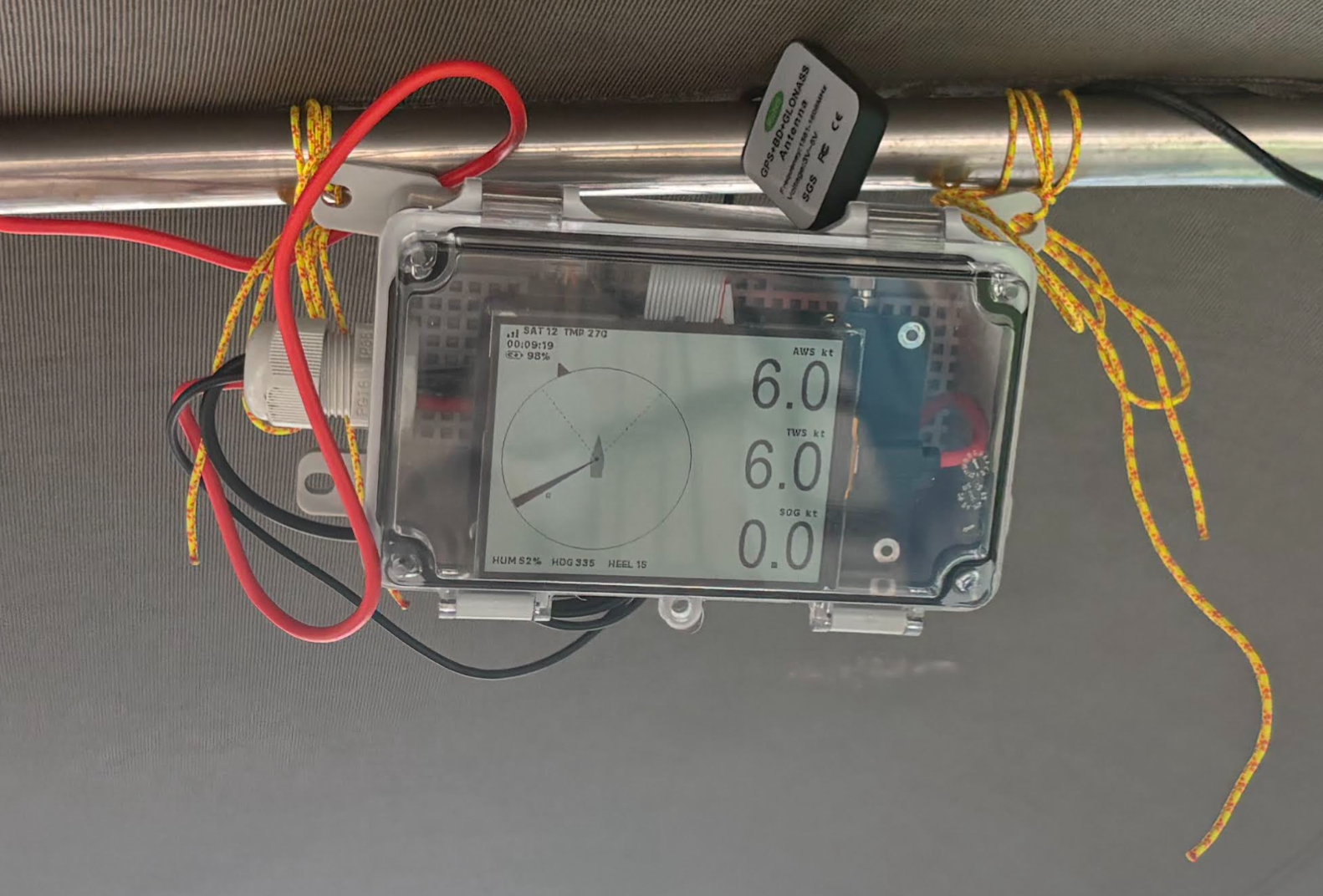
Built a new prototype with a reflective LCD display, SD card storage and battery power, so the device can display and record data on its own.
Simplify race administration for our referee and make races easier to follow for sailors and spectators.
Use the phone’s GPS by default. Connect a Veetr Vane for wind speed, wind direction and an external GPS source.
The goal: reliable reconnection and tracking with the screen off. Any GPS accuracy improvement needs to be measured in real conditions.
Let sailors share their position during a race, with clear sharing controls and a useful view for spectators. Test coverage gaps and delayed updates.
Put the system into real races with early users. Observe setup, tracking and race administration, and fix what gets in the way.
Learn who needs Veetr enough to keep using it. Start conversations now, then use repeated trials to test demand before committing to production.
Evidence to seek: sailors returning for another race, clubs committing to a pilot, and people expressing purchase intent at a realistic price. A mailing-list signup alone is not product–market fit.
Set up the company and the practical foundations for manufacturing, customer support and selling the finished product.
Build around certified components where appropriate, improve functionality and settle the production design.
Start compliance planning early: confirm requirements with a lab, obtain quotes, run pre-compliance checks and budget for fixes. Certified components do not certify the complete device.
Develop and test the enclosure, seals, connectors and mounting. Publish a water-protection rating only after it has been verified.
Test the production design on the water: sunlight readability, battery life, GPS performance, connection recovery, water exposure and day-to-day handling.
Sales blocker
Complete the applicable testing and conformity assessment for the finished device, with technical documentation, labels and instructions.
The blocker to hardware sales. The final design, test scope, lab quotes and funding must be in place before we can clear it.
Build a pilot batch, check every unit and confirm repeatable assembly. Prepare supply, packaging, traceability and a repair process before scaling up.
Offer finished Veetr Vane units when compliance, manufacturing and customer support are ready. Publish the actual price, availability and delivery expectations then.